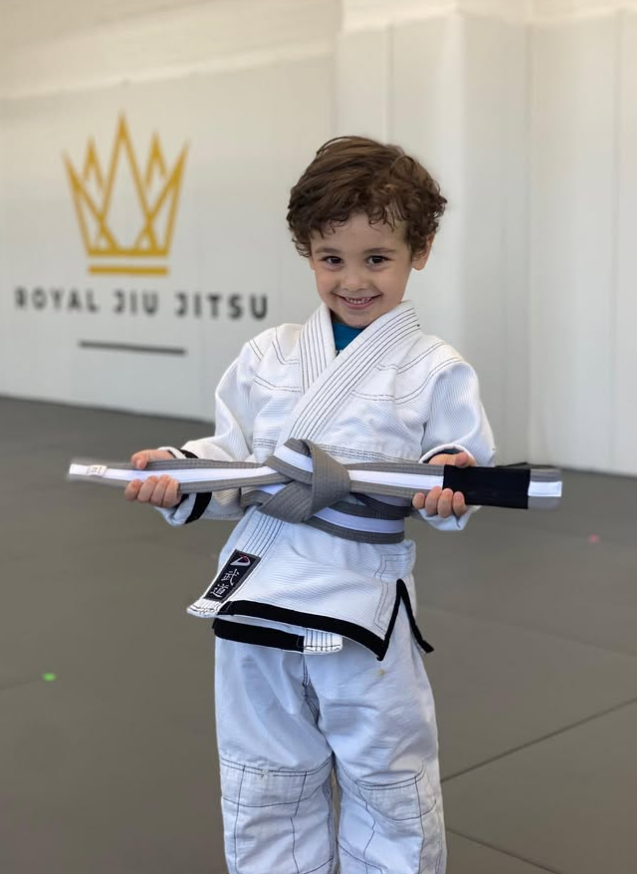
Leadership starts small: one calm breath, one smart choice, and one respectful partnership at a time.
Queens parents are busy, and your kids are growing up in a borough that moves fast. When you start looking for an activity that actually sticks, you probably want more than “burn energy” or “learn a few moves.” You want structure, confidence, and a place where your child is expected to show up, listen, try, and improve.
That is why Youth Brazilian Jiu Jitsu matters here. In our Youth Brazilian Jiu Jitsu classes, we use a skill-based martial art to practice the exact habits that leadership requires: self-control, composure under pressure, problem-solving, and being a good teammate even when things are hard.
And Queens really is a place where this matters. The borough still has a large youth population, even as NYC overall has seen shifts in where families live, which means there is a real need for strong after-school and weekend routines that help kids stay connected and supported. Add in the fact that Queens has measurable youth vulnerability indicators, including a disconnected youth rate reported for the county, and it becomes even clearer why consistent, positive programs are not a luxury, they are a stabilizer.
Why Youth Brazilian Jiu Jitsu builds leaders, not just athletes
Leadership is not just being loud, outgoing, or “the captain.” Real leadership is the ability to make good decisions when your heart rate is up, you feel uncertain, or you are frustrated. Youth Brazilian Jiu Jitsu creates those moments in a controlled setting, and we coach kids through them.
Brazilian Jiu Jitsu is a modern grappling art that keeps evolving, and that technical depth is a big reason kids stay engaged. There is always something to learn: a better angle, a smarter grip, a more patient escape. Progress is obvious, but it is earned. That is a leadership lesson in disguise.
In training, kids have to:
- Listen closely, because details matter
- Partner up respectfully, because you cannot train alone
- Reset quickly after mistakes, because everybody taps and everybody learns
- Think ahead, because technique beats panic every time
Over time, those habits show up at school, at home, and in social situations. We see kids start speaking more clearly, making better choices with peers, and taking ownership of behavior without needing a big lecture.
The leadership skills our youth students practice every week
When parents ask what their child will gain, we talk about leadership in practical terms. Not vague “character building,” but skills you can actually recognize in daily life.
Composure under pressure
In Youth Brazilian Jiu Jitsu, pressure is part of the game, but it is safe pressure. Kids learn how to breathe, frame, and think instead of freezing. That is the same skill your child uses before a test, during a difficult conversation, or when something feels socially uncomfortable.
We coach them to pause, then act. It sounds simple, but it is huge.
Coachability and listening without ego
Leadership starts with being teachable. In class, we correct posture, grips, and movement patterns constantly. Kids learn that correction is not criticism, it is information.
That mindset tends to follow them into school. A coachable student raises a hand, asks a clarifying question, and tries again. A leader-in-training does not fall apart when told, “Do it differently.”
Respectful assertiveness
A common fear is that martial arts make kids aggressive. Our experience is usually the opposite. Kids who train learn boundaries: how to be firm, how to say no, how to use their voice, and how to stay respectful while doing it.
Because Brazilian Jiu Jitsu in Queens is practiced with partners, kids also learn empathy. You cannot train well if you are reckless. You have to notice how your partner is doing, adjust your intensity, and communicate.
Responsibility through routines
Leadership is built on repetition. Kids tie their belt, line up, follow instructions, and take care of their gear. Small responsibilities build self-respect, and self-respect tends to create better decisions.
There is also something quietly powerful about earning progress step by step. Belt progression helps kids connect effort with results, without shortcuts.
What research suggests about martial arts and youth development
Parents often want to know whether the benefits are just “nice ideas” or whether there is real backing behind them. Martial arts-based programs for children ages 6 to 12 have been associated with gains in attention, self-regulation, coordination, and selected motor skills, all of which support leadership development later on.
Those outcomes matter because leadership is not only social. It is cognitive. A child who can focus, regulate emotions, and coordinate movement tends to feel more capable. Capability becomes confidence, and confidence makes it easier to lead respectfully.
It also fits what youth martial arts messaging consistently emphasizes: confidence, discipline, respect, perseverance, and emotional control as transferable life skills. In other words, the “soft skills” parents care about are not separate from the training, they are the training.
Why Brazilian Jiu Jitsu in Queens fits local family life
Queens is diverse, family-dense, and full of different schedules. We work with parents juggling school pick-ups, homework, multiple children, and commutes that never go exactly as planned.
Youth Brazilian Jiu Jitsu works well for Queens families because:
- It provides a predictable routine after school or on weekends
- It offers individual growth without needing a full team roster
- It creates community through partner drills and shared goals
- It gives kids a positive identity: “I train, I improve, I handle pressure”
It also supports something Queens parents ask for more and more: leadership and self-regulation, not just fitness. When a child learns to manage frustration on the mat, it often reduces conflict at home. Not perfectly, kids are still kids, but you usually notice the difference.
What to expect in your child’s first 30 days
Parents love clarity here, because starting a new program can feel like a big step. The first month in Brazilian Jiu Jitsu Classes for Youth is about comfort, fundamentals, and steady wins.
1. Week 1: Orientation, basic movement, and safety habits
Your child learns how to line up, how to partner, how to “tap” to stop, and how to move on the mat safely. We keep things structured and approachable.
2. Week 2: Core positions and simple escapes
We introduce foundational positions and teach kids not to panic. They start to understand that being stuck is a problem you can solve, not a reason to shut down.
3. Week 3: Partner drills and confidence through repetition
Repetition is where confidence starts feeling real. Kids get more comfortable with contact, balance, and timing, and you will often see posture and attention improve.
4. Week 4: Putting skills together and learning to reset after setbacks
This is where leadership habits show up. Your child learns to try, make mistakes, tap, smile, and try again. That ability to reset is one of the biggest takeaways of Youth Brazilian Jiu Jitsu.
If your child is shy or anxious, the first month is usually where we see the most growth. The environment is social, but not overwhelming, because the structure tells kids exactly what to do next.
Is Youth Brazilian Jiu Jitsu safe for kids?
Safety is a fair question, and we take it seriously. BJJ is a contact sport, but youth training is designed to be controlled and supervised. We focus on technique, not toughness, and we emphasize communication, tapping, and partner awareness.
Here is what “safe” looks like in practice:
- Clear rules about intensity and behavior
- Age-appropriate drilling and games that build skill without chaos
- Constant coaching on how to fall, base, and protect joints
- A strong culture of respect, where kids learn to take care of partners
We also guide kids toward smart choices. Leadership includes knowing when to pause, when to ask a question, and when to stop. Those are life skills, not just mat skills.
Gi or no-gi for beginners: what matters most
Parents sometimes ask whether their child should start in a gi or no-gi. Both can work. The most important thing at the beginning is consistency and comfort.
The gi can help slow things down and make grips more obvious, which is great for learning. No-gi tends to feel faster and more movement-based. In either case, the leadership lessons remain the same: stay calm, be respectful, and solve problems step by step.
If you are unsure what is best for your child, we help you choose based on age, temperament, and what will make your child want to come back next week.
How BJJ supports anti-bullying readiness without turning kids into fighters
Parents in Queens often want practical anti-bullying skills, but not a program that encourages kids to “go handle it themselves.” We agree with that. Our goal is to build confident, emotionally regulated kids who can respond wisely.
Youth Brazilian Jiu Jitsu helps because it teaches:
- Body confidence and posture, which can deter targeting
- Boundary-setting, including using a calm voice and clear language
- The ability to stay composed in close-range situations
- Perspective, because trained kids do not feel the need to prove themselves
We also talk about respect and responsibility. Knowing how to control someone is not the same as choosing to do it. Leadership is making the right choice even when you could do something else.
What parents ask us most
What age should a child start?
Many kids can start around 5 or 6, depending on attention span and comfort with structured group instruction. We help place your child in the right youth group so the experience feels positive from day one.
How often should kids train to see benefits?
Consistency matters more than intensity. Many families start with 2 classes per week and build from there. If your schedule is tight, we help you find a routine using the class schedule page so training stays realistic.
How is youth training different from adult classes?
Youth classes are built around safety, structure, and learning style. We teach technique, but we also coach behavior, focus, and respectful interaction. It is not “mini adult class,” it is a development pathway.
What makes a good kids’ instructor?
A good instructor can teach clearly, manage a room calmly, and correct behavior without shaming. Kids learn leadership from the tone adults set, so we keep standards high and communication steady.
Take the Next Step
Queens kids do not need more noise in their lives. Many need a steady place to practice focus, resilience, and respectful confidence. That is exactly what we build every day, and it is why so many families choose Youth Brazilian Jiu Jitsu as a long-term investment in leadership, not a short-term activity.
When you are ready, we would love to help your child start strong and grow with a program that fits real Queens schedules. At Royal Jiu-Jitsu Queens, we keep training structured, supportive, and skill-focused so your child can build habits that last.
See what makes training at Royal Jiu-Jitsu Queens unique by joining a class today.