Positive discipline sticks when your child practices it in real time, with clear rules, respectful partners, and coaches who expect follow-through.
Parents in Queens often tell us the same thing in different ways: you want an activity that helps your child listen better, manage big emotions, and stay consistent even when something feels hard. Youth Brazilian Jiu Jitsu fits that goal surprisingly well because it is built on structure. A class is not random playtime, and it is not a lecture either. It is a routine your child can feel in their body, week after week.
When we talk about positive discipline, we mean guidance that builds skills, not fear. In Youth Brazilian Jiu Jitsu, discipline is practiced through repetition, clear expectations, and respectful partner work. Kids get immediate feedback: if you lose balance, forget a step, or rush, the technique stops working. That is not punishment. It is information.
Queens is also busy. Between school, homework, and screens that seem to multiply overnight, it helps to have a local after-school routine that feels grounding. Our Brazilian Jiu Jitsu in Queens program is designed to be that steady place where your child can reset, focus, and leave a little taller than they walked in.
What positive discipline really looks like on the mats
Positive discipline is not just “being well behaved.” It is the ability to pause, listen, and choose a better response. On the mats, we see it in small, concrete moments: lining up when asked, controlling speed with a smaller partner, and restarting calmly after a mistake.
Because Brazilian Jiu-Jitsu is a grappling art, kids learn to solve problems while staying controlled. That matters. There is a big difference between a child who can “follow rules” only when an adult is watching and a child who can regulate themselves when the situation gets frustrating. We coach for the second one.
A key part of how Youth Brazilian Jiu Jitsu promotes positive discipline is that the environment is structured but not harsh. We set boundaries, we correct behavior, and we also explain the why. Kids tend to respond to that blend of firmness and encouragement, especially when they can see the results in their own progress.
Why Youth Brazilian Jiu Jitsu promotes discipline more naturally than you might expect
In many activities, discipline is something adults talk about. In jiu-jitsu, discipline is something kids do. You cannot “kind of” show up and get the same results. You cannot skip the basics and still move smoothly. The art rewards patience and consistency, and kids notice that fast.
A recent research summary on Brazilian Jiu-Jitsu reports that training can improve self-discipline and self-confidence in young people, likely because of the structured environment and clear goals. That lines up with what we see every day: when goals are visible and progress is measurable, kids buy in.
Our Youth Brazilian Jiu Jitsu classes use a simple loop that makes discipline feel practical:
- Learn a skill in a clear, step-by-step way
- Practice it with a partner who is also learning
- Get coached on what to adjust
- Repeat until it feels natural
- Earn the next challenge through consistency
It is not glamorous. It is effective. And for kids, that “I can do hard things if I keep showing up” lesson has a way of traveling into the rest of life.
Structure creates calm: how our classes are built for focus and self-control
When a child struggles with focus, the solution is not always “try harder.” Often, the solution is a better structure. Our Brazilian Jiu Jitsu Classes for Youth are designed around predictable class flow, so kids know what is coming next and can settle in.
Most classes include a warm-up that builds coordination, a technique portion that teaches a specific skill, and partner drills that reinforce it. We keep instruction age-appropriate and we keep kids moving, because focus improves when the body is engaged and the expectations are clear.
We also emphasize control and accountability. In Youth Brazilian Jiu Jitsu, strength is not the main point. Timing, balance, and calm decision-making matter more. Kids learn quickly that if they move too wildly, they lose position. If they breathe and slow down, they gain it back. That is emotional regulation in disguise.
Respect is not a slogan here, it is a skill your child practices
Positive discipline depends on respect: respect for instructors, training partners, and boundaries. In our room, respect shows up in how kids speak, how they listen, and how they handle contact safely.
Because jiu-jitsu is partner-based, kids learn that progress depends on cooperation. You cannot improve without a partner, and you cannot keep good partners if you treat people poorly. That is a powerful social lesson, especially for kids who are still learning how to share space, take turns, and recover after conflict.
We reinforce respectful habits through routine:
- Waiting for the coach’s signal before starting
- Using controlled pressure instead of sudden force
- Letting go when asked, immediately
- Resetting and trying again without blaming a partner
- Thanking partners and showing basic courtesy
These are simple behaviors, but they add up. Over time, kids begin to carry themselves differently. You will often see it at home first: fewer arguments about transitions, a little more patience, a quicker “okay” instead of a drawn-out negotiation.
Goal-based progress teaches patience and responsibility
Kids learn discipline faster when the goal is clear and the path is real. We use progress markers that help children understand what “good work” looks like and what comes next. That might be mastering a specific movement pattern, improving balance in a position, or demonstrating consistent safe partner behavior.
The important part is that progress is earned. Not given. That is one reason Youth Brazilian Jiu Jitsu is such a strong tool for positive discipline. Kids learn that actions connect to outcomes. If you show up consistently, you improve. If you listen carefully, you remember more. If you rush, you make mistakes.
This approach also supports resilience. A child will lose positions in sparring. A child will forget steps. A child will feel frustrated. We coach them through it, and we normalize the learning curve. That is where discipline grows: not when everything is easy, but when the child learns to stay steady anyway.
How Youth Brazilian Jiu Jitsu helps in school and at home
Parents in Queens often ask if training will carry over into school. While every child is different, the skills we build are directly connected to classroom and home routines: listening, taking feedback, staying organized, and managing impulses.
Here is how it often shows up outside the academy:
Better attention and follow-through
In class, kids practice listening to multi-step instructions and applying them right away. That is the same mental muscle used for following directions in schoolwork. Over time, many kids get better at starting tasks without so much resistance.
More emotional regulation under pressure
Jiu-jitsu puts kids in challenging but safe situations where they have to breathe, think, and move carefully. That practice can translate into fewer blowups when something feels unfair or difficult.
A healthier relationship with correction
In training, getting coached is normal. It is not personal. Kids learn to accept feedback, adjust, and try again. That can reduce defensiveness with parents and teachers.
More confident social behavior
Because the environment is structured and respectful, kids who are shy often find it easier to connect. High-energy kids often learn how to “aim” that energy, which is honestly a relief for everyone.
When we describe Brazilian Jiu Jitsu in Queens as a character-building program, this is what we mean. The discipline is not just “do what you are told.” It is the deeper skill of managing yourself.
Safety and beginner-friendliness: what Queens parents should know
Safety is a reasonable concern, especially if your child is new to contact sports. We build our youth program around controlled training, clear rules, and careful supervision. Beginners are not thrown into advanced situations. We teach foundations first, and we emphasize tapping, letting go, and staying aware of partners.
Youth Brazilian Jiu Jitsu is also scalable. A smaller child can learn effective movement. A cautious child can build confidence step by step. A very active child can learn how to slow down and use technique instead of chaos.
If you are wondering what to expect in a first class, it usually looks like this:
1. A quick orientation to basic rules and mat safety
2. A warm-up that feels more like athletic movement than heavy conditioning
3. A technique lesson with simple, repeatable steps
4. Partner drilling with close coaching and frequent resets
5. A short wrap-up that reinforces the day’s focus and behavior expectations
You do not need your child to be “tough” to start. You just need willingness to learn, and we handle the rest with a steady, encouraging approach.
How often should your child train to see real changes?
Most kids benefit from consistency more than intensity. For many families, two classes per week is a great rhythm. It builds routine without turning into burnout, and it gives enough repetition for skills to stick.
That said, the best schedule is the one you can actually maintain. Queens families juggle commutes, school projects, and plenty of last-minute calendar surprises. We encourage you to check the class schedule and pick times that feel realistic, because the discipline benefits come from showing up over time.
You may notice small changes within a few weeks: better listening, more confidence walking into new spaces, and a little more patience when things do not go perfectly. Deeper changes, like stronger resilience and more consistent self-control, typically build over months of steady training. That is normal, and it is part of why Youth Brazilian Jiu Jitsu works.
What makes our youth program feel different for kids and parents
A youth program can teach techniques and still miss the bigger picture. We do not. Our focus is confidence, focus, respect, and resilience, supported by structured training that emphasizes control and accountability. That means we care how your child wins a position, not just whether it happens.
We also believe kids learn best when the room feels safe to try, fail, and try again. When a child makes a mistake, we correct it clearly and move forward. When a child does something right, we reinforce it. When behavior needs adjustment, we address it directly, without shaming. That is positive discipline in practice.
Because we are in Queens, we also keep the family experience in mind. Clear communication, predictable class routines, and age-specific instruction make it easier for parents to trust the process. If you are looking for Brazilian Jiu Jitsu Classes for Youth that are about more than just activity, our approach is intentionally built for real-life carryover.
Take the Next Step
Building positive discipline does not require perfection, and it does not require a child who is already “easy.” It requires a structured environment where kids can practice self-control, respectful behavior, and persistence in a way that feels real to them. That is exactly what we aim to deliver every day.
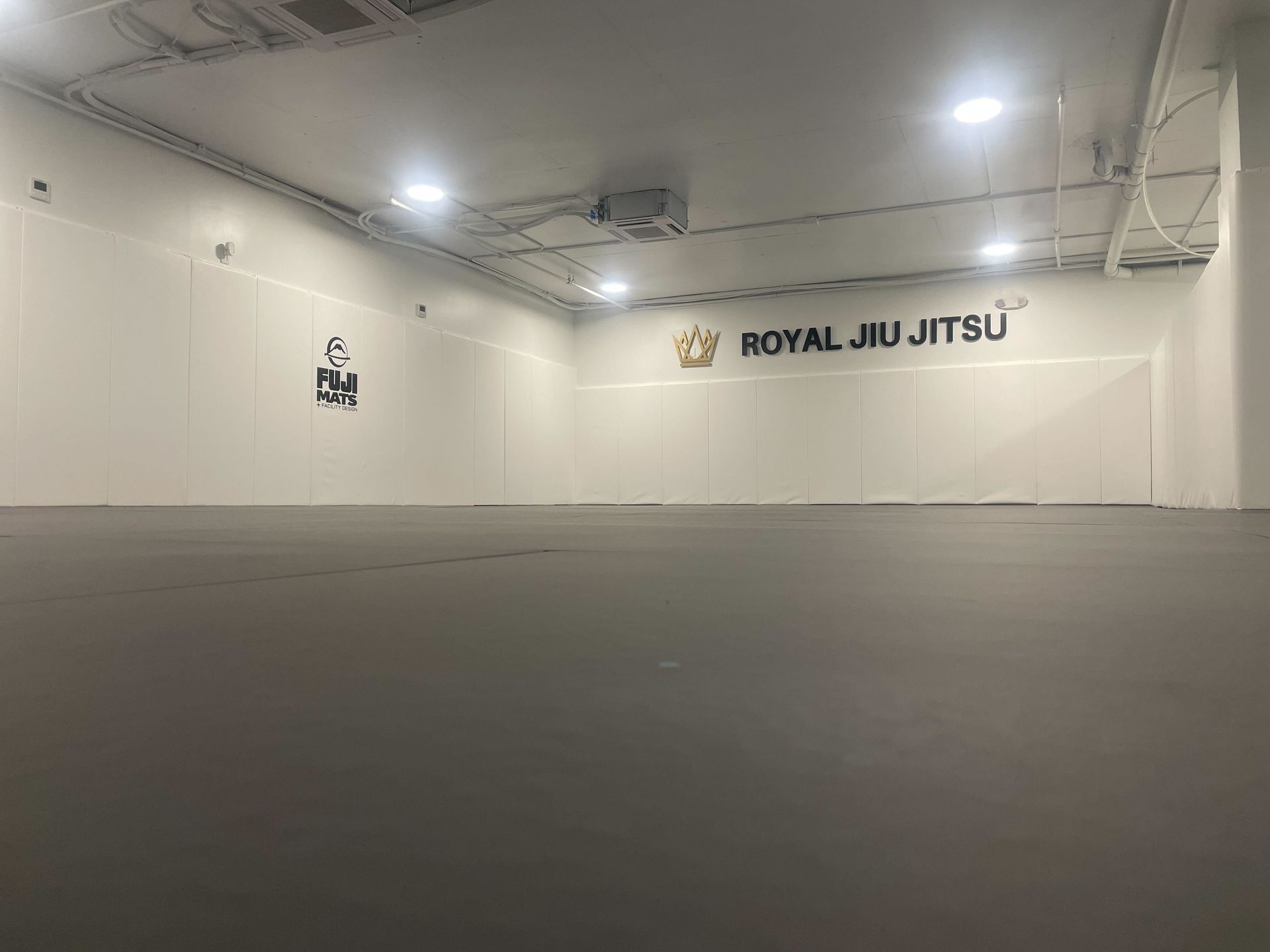
If you want to see how our coaching style and Youth Brazilian Jiu Jitsu curriculum support focus, confidence, and calm follow-through, we would love to welcome your family in. Royal Jiu-Jitsu Queens is here in Queens, NY, and our class schedule makes it practical to add training to your week without turning life upside down.
Train with experienced instructors and a welcoming community at Royal Jiu-Jitsu Queens.