A great kids program should improve what happens off the mats as much as what happens on them.
Parents in Queens are busy, kids are busy, and attention is pulled in a hundred directions at once. That is why Youth Brazilian Jiu Jitsu has become such a strong fit for families who want more than “just an activity.” In our youth program, we treat training as a skill-building practice that helps kids learn focus, self-control, and the ability to bounce back when something feels hard.
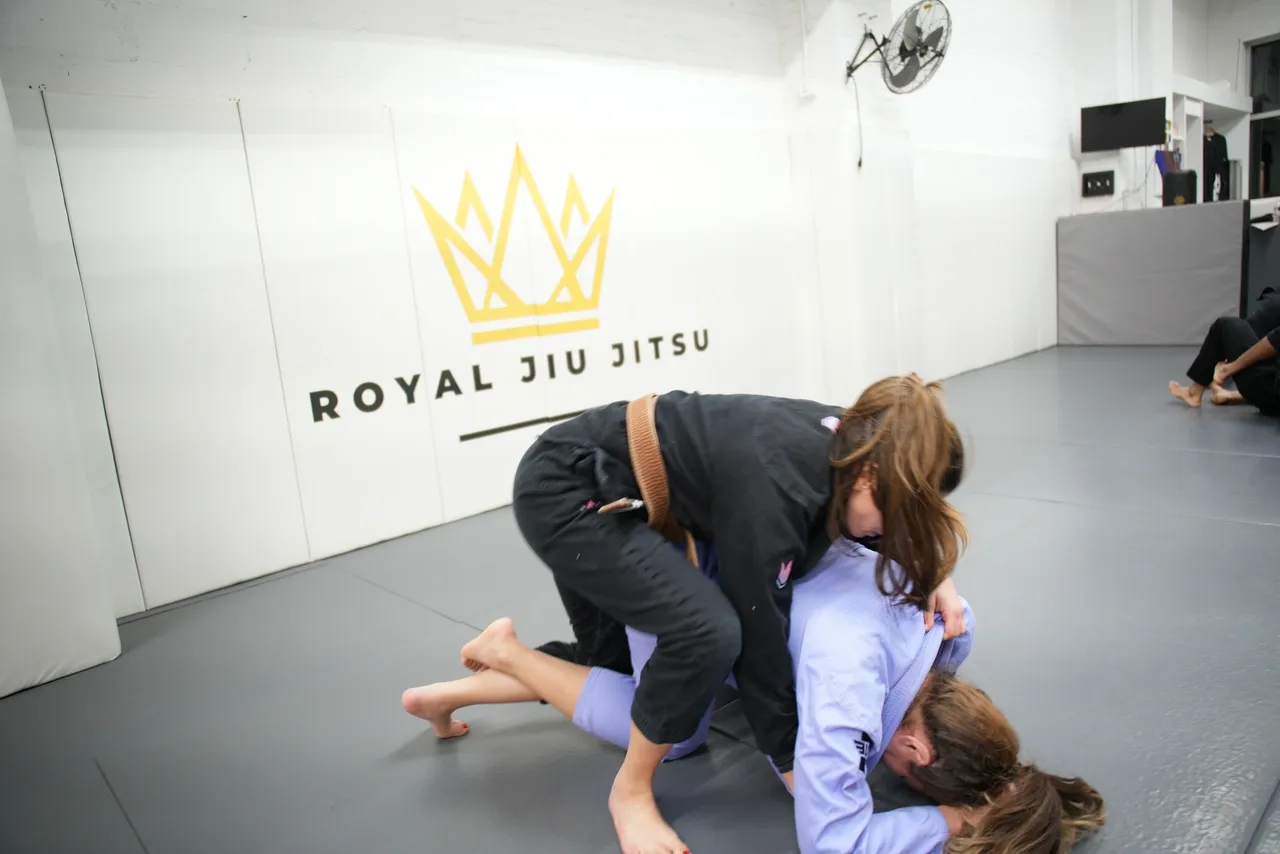
When you watch a class closely, the big benefits do not look flashy. You will see kids lining up, listening for cues, practicing the same movement again, and adjusting based on feedback. Over time, that structure teaches patience and follow-through, which are the same ingredients kids need for school, friendships, and handling pressure without falling apart.
Queens is also a place where families value safe, beginner-friendly environments. We take that seriously. Our classes are age-appropriate, closely coached, and built around control, not chaos, so your child can learn at a steady pace while feeling supported.
Why Youth Brazilian Jiu Jitsu Works So Well for Focus
Focus is not a personality trait you either have or you do not. In our experience, focus is a trainable skill, and Youth Brazilian Jiu Jitsu gives kids a clear reason to practice it. If your child is thinking about five things at once, technique falls apart quickly. When attention is on the task, progress becomes obvious, and kids start connecting effort with outcomes.
A typical class has a rhythm: instruction, drilling, and guided practice. That rhythm is not accidental. It teaches kids how to shift from “listening mode” to “doing mode” without needing constant reminders. And because Brazilian Jiu Jitsu is highly technical, kids learn to pay attention to small details like hand placement, posture, and timing.
Attention Through Structure, Not Pressure
We keep the environment structured, but we do not use intimidation to get compliance. Kids respond better when they understand expectations and feel respected. Over time, this helps your child practice focus in a way that feels steady and achievable.
Here is what that structure trains, week after week:
• Listening the first time, because instructions matter in live movement
• Waiting for a turn without losing self-control
• Following multi-step directions in the correct order
• Noticing details, then correcting them instead of getting frustrated
• Staying engaged even when a technique feels tricky at first
That combination is exactly what many parents want from Brazilian Jiu Jitsu Classes for Youth: a place where kids can be kids, but still learn discipline that sticks.
A Screen-Free Problem-Solving Activity That Kids Actually Enjoy
A quiet benefit of BJJ in Queens is that it gives kids a real-world puzzle to solve with their bodies. A technique is not just “do this move.” It is “if your partner does this, you respond like that.” Kids begin to see patterns, anticipate outcomes, and make adjustments in real time.
This is one reason Youth Brazilian Jiu Jitsu can feel different than activities where kids are mostly waiting, watching, or repeating the same routine without thinking. In Jiu Jitsu, thinking is part of the sport. Your child learns to pause, breathe, and choose an option rather than reacting emotionally.
And yes, it is also a break from passive screen time. Not in a preachy way. Just in a practical way: when kids are engaged, challenged, and moving, the phone becomes less interesting.
Resilience: Learning to Reset After Mistakes
Resilience is not about never failing. It is about recovering well. In Youth Brazilian Jiu Jitsu, kids make small mistakes constantly, in a safe environment where mistakes are expected. They forget steps, lose position, tap, and try again. That repetition teaches something powerful: setbacks are information, not identity.
There is also growing research interest in Brazilian Jiu-Jitsu and psychosocial outcomes. Studies have linked greater training experience and rank with higher resilience, self-control, and self-efficacy. In simple terms, the more consistent the practice, the more likely students are to feel capable under stress and steady in challenging situations. We see that idea play out in youth training in an age-appropriate way: kids learn they can handle discomfort, stay calm, and keep working.
Confidence That Comes From Capability
We aim for confidence that is earned, not inflated. Kids feel confident when they can do something they could not do before. That might be executing a basic escape, remembering a sequence, or staying composed during a tough round of practice.
As this grows, you may notice small changes outside the gym, such as:
• Your child tries a hard homework problem without melting down
• Your child takes correction more calmly
• Your child speaks up a little more in group settings
• Your child handles losing a game without spiraling
These are not overnight changes, but the pattern is real. Youth Brazilian Jiu Jitsu rewards consistency, and kids start to trust themselves because the results are tangible.
Emotional Regulation Without Encouraging Aggression
A common concern is whether training will make kids more aggressive. We understand why parents ask. What we teach is control, not chaos. Brazilian Jiu Jitsu is a grappling art, and our youth training emphasizes safety, consent, and responsible behavior. Kids learn how to manage intensity, not escalate it.
We also see that structured training and positive social support can be associated with improved mental health outcomes and reductions in aggression for many students. The key word is structured. When expectations are clear and coaching is consistent, kids learn to channel energy appropriately and cool down when emotions rise.
Why “Tapping” Is a Hidden Life Skill
One of the most important cultural elements in BJJ is tapping, the signal that ends a position immediately. Kids learn two lessons at once:
1. It is okay to ask to stop when something is uncomfortable
2. It is your responsibility to stop when your partner asks
That is a rare and valuable lesson for kids. It builds respect, empathy, and self-advocacy, all while staying grounded in a sport setting.
How Our Youth Classes Are Set Up in Queens
Families often ask what a class actually looks like, especially if your child is shy or brand-new. Our goal is to make the first day feel clear and welcoming, not intimidating. We group students by age and keep instruction simple enough for beginners, then layer complexity as kids are ready.
What Your Child Can Expect in a Typical Class
While every day is a little different, most classes follow a predictable flow:
1. Warm-up focused on coordination, balance, and safe movement
2. Technique instruction with clear, step-by-step coaching
3. Drilling in pairs to build comfort and repetition
4. Controlled practice to apply the technique with guidance
5. Wrap-up with reminders about respect, effort, and progress
That repetition is not boring to kids the way adults sometimes assume. It is calming. Kids like knowing what comes next, and it helps them stay focused.
School Readiness: Focus, Listening, and Finishing Tasks
When parents ask if Youth Brazilian Jiu Jitsu helps with school, we keep expectations realistic. It is not a magic switch. But it absolutely supports habits that transfer into the classroom.
In class, your child practices listening under distraction, following directions, and completing tasks even when something feels frustrating. That is basically the same skill set needed for homework, tests, and group work. We also coach kids to take feedback without taking it personally, which is huge for learning.
Over time, many kids start to approach challenges more like training: try, adjust, try again. That mindset is a big part of academic resilience.
Safety and Beginner Friendliness for Kids
Safety is not a marketing line for us. It is the foundation of the room. We keep training controlled, emphasize clean technique, and match partners carefully. Our youth program is built to be beginner-friendly, including for kids who have never done a sport before.
Here is how we keep training safer and more comfortable for new students:
• Age-appropriate instruction with clear boundaries and expectations
• Supervised partner work with coaching that stays engaged, not hands-off
• A culture of respect where kids learn to take care of training partners
• Progressions that focus on fundamentals before intensity
• Clear rules around tapping, spacing, and controlled movement
If you are looking for BJJ in Queens and your biggest question is “Will my child be okay starting from zero,” our answer is that beginners are exactly who our program is designed for.
Ages, Progress, and How Often to Train
Parents also ask about the right starting age and schedule. Many kids can begin once they have the attention span to follow basic directions and participate safely in a group. If you are unsure, we can help you decide based on your child’s maturity, not just a number.
Progress in Youth Brazilian Jiu Jitsu is usually measured through skill development: improved movement, better decision-making, stronger composure, and consistent effort. Belts and stripes matter, but the deeper progress is in the habits your child builds.
As for frequency, consistency matters more than intensity. Many families start with one to two classes per week, then adjust based on school demands and your child’s enthusiasm. Training a bit, regularly, is better than training a lot for two weeks and stopping for two months.
What to Wear and How to Prepare for the First Class
You do not need to overthink the first day. Comfortable athletic clothing is usually fine unless the program requires a uniform right away. If you have questions, the website can guide you so you do not show up guessing.
A few small steps help kids feel ready:
• Arrive a little early so your child can settle in
• Bring water and a simple snack for afterward if needed
• Explain that learning takes time and everyone starts somewhere
• Encourage your child to ask questions and try their best
Most kids relax once they realize class is structured, coaches are supportive, and everyone is there to learn.
Take the Next Step
Building focus and resilience is not about giving kids more pressure. It is about giving kids a system that teaches calm effort, self-control, and problem-solving. Youth Brazilian Jiu Jitsu does that in a way that feels real to kids, because they can feel improvement in their body and decisions, not just hear about it.
When you are ready to explore training in Queens with a program built around confidence, respect, and character development, we would love to welcome your family at Royal Jiu-Jitsu Queens and help your child get started with the right pace and support.
Build stronger fundamentals and sharpen your technique by joining a Brazilian Jiu-Jitsu class at Royal Jiu-Jitsu Queens.